
Red Light Therapy Belt: 660nm vs 850nm Wavelengths Benefits
Red Light Therapy Belt Manufacturing has evolved to meet demand for at-home wellness, but users struggle to choose between 660nm and 850nm wavelengths. With sedentary lifestyles fueling need for non-invasive relief, understanding these wavelengths is critical for anyone investing in a red light therapy belt—whether for personal use or from a trusted Red Light Therapy Belt Manufacturing brand. Red light therapy, a science-backed photobiomodulation technique, uses specific light wavelengths to stimulate cellular activity, and the difference between 660nm and 850nm can make or break your therapy results. In this guide, we’ll break down their unique benefits, how they work, and why Red Light Therapy Belt Manufacturing brands are prioritizing both in their latest designs to deliver comprehensive wellness solutions.
First, let’s clarify the basics: red light therapy (RLT) works by delivering light energy to the body’s cells, where it interacts with mitochondria—the “powerhouses” of cells—to boost energy production, reduce inflammation, and support natural healing. The two most common wavelengths used in red light therapy belts are 660nm (visible red light) and 850nm (near-infrared light, invisible to the naked eye). While both fall within the “therapeutic window” of 600-900nm—where light can penetrate tissue without being absorbed by hemoglobin or water—their penetration depths and primary benefits differ significantly, a detail top Red Light Therapy Belt Manufacturing companies prioritize to create targeted, effective products.
The 660nm wavelength is often referred to as the “surface specialist” in red light therapy, and its benefits are closely tied to skin health and superficial tissue support—something Red Light Therapy Belt Manufacturing brands highlight for users focused on aesthetic and surface-level wellness. Visible to the human eye as a warm red glow, 660nm light penetrates 1-10mm into the skin, reaching the epidermis, dermis, and hypodermis layers. This penetration depth makes it ideal for stimulating collagen production, a key factor in reducing fine lines, wrinkles, and stretch marks, as well as improving skin texture and tone. Research shows that 660nm light triggers fibroblasts—cells responsible for collagen and elastin production—to become more active, leading to firmer, smoother skin over time. For users dealing with acne scars, sun damage, or loose skin (such as post-pregnancy), a red light therapy belt with 660nm wavelength is a game-changer, and leading Red Light Therapy Belt Manufacturing brands often integrate high-output 660nm LEDs to maximize these skin benefits.
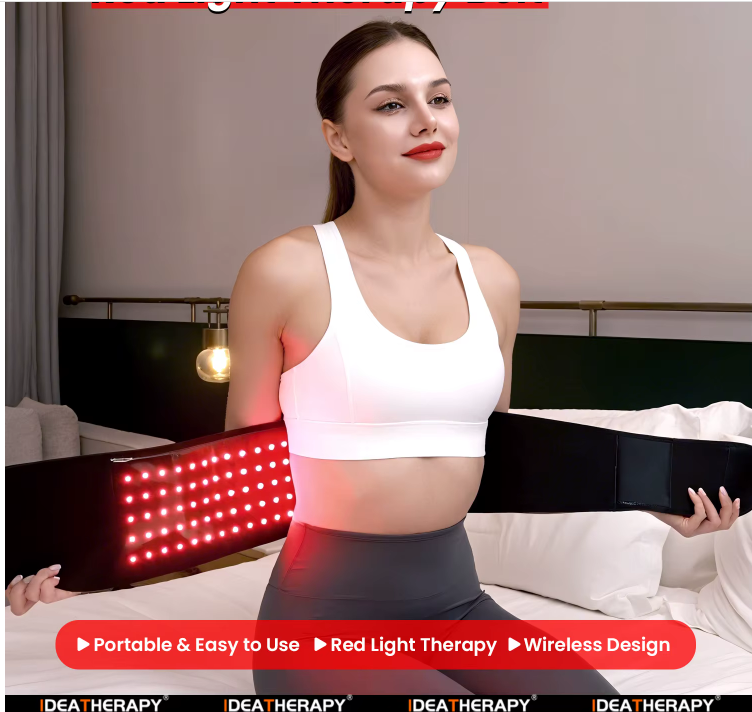
Beyond skin health, 660nm wavelength offers targeted relief for superficial muscle soreness and inflammation. If you experience tightness in your neck, shoulders, or lower back from sitting at a desk or light exercise, 660nm light can penetrate shallow muscle tissue to reduce inflammation and ease discomfort. This makes it a popular choice for daily use, as it’s gentle yet effective—perfect for integrating into your morning or evening routine. Red Light Therapy Belt Manufacturing brands often design their belts with adjustable settings for 660nm light, allowing users to customize their sessions based on their needs, whether it’s a quick 10-minute skin boost or a 20-minute muscle relaxation session.
Now, let’s turn to the 850nm wavelength, the “deep-tissue expert” that sets apart high-quality red light therapy belts from generic options—something discerning Red Light Therapy Belt Manufacturing brands prioritize for users seeking pain relief and muscle recovery. Unlike 660nm light, 850nm is near-infrared and invisible to the naked eye, but its penetration depth is significantly greater, reaching 20-40mm into the body. This means it can target deep muscle tissue, joints, and even bones, making it ideal for relieving chronic pain, supporting post-workout recovery, and reducing deep inflammation. For athletes or individuals with chronic conditions like arthritis, fibromyalgia, or lower back pain, 850nm light is invaluable, as it penetrates beyond the skin to reach the source of discomfort.
The key benefit of 850nm wavelength is its ability to boost cellular energy production in deep tissues, accelerating muscle recovery and reducing post-workout soreness. When you exercise, your muscles experience micro-tears, and 850nm light helps stimulate mitochondrial activity to repair these tears faster, reducing stiffness and improving flexibility. Additionally, 850nm light improves blood circulation in deep tissues, delivering more oxygen and nutrients to cells while removing waste products—another reason Red Light Therapy Belt Manufacturing brands include this wavelength in their products for active users. For those with joint pain, 850nm light can reduce inflammation in the joints, providing long-term relief without the need for medications or invasive treatments.
One of the most important trends in Red Light Therapy Belt Manufacturing is the integration of both 660nm and 850nm wavelengths in a single red light therapy belt. This combination delivers comprehensive wellness benefits, addressing both surface-level concerns (skin health, superficial soreness) and deep-tissue needs (chronic pain, muscle recovery). Leading Red Light Therapy Belt Manufacturing brands understand that users don’t want to choose between skin rejuvenation and pain relief—they want a single device that does both. By combining these two wavelengths, red light therapy belts become versatile tools for daily wellness, suitable for everyone from busy professionals to athletes to seniors.
To understand why this combination is so effective, let’s look at real-world applications. A user dealing with post-pregnancy loose skin and lower back pain can use the 660nm wavelength to firm their skin and the 850nm wavelength to relieve back discomfort—all with one device. An athlete can use the 850nm wavelength after a workout to speed up muscle recovery and the 660nm wavelength to reduce inflammation in their joints. This versatility is a key selling point for Red Light Therapy Belt Manufacturing brands, as it makes their products more appealing to a wider audience, boosting SEO visibility by targeting multiple user intents (skin care, pain relief, muscle recovery).
When choosing a red light therapy belt, it’s important to look for products from reputable Red Light Therapy Belt Manufacturing brands that use high-quality LEDs and precise wavelength control. Low-quality devices may claim to use 660nm or 850nm light but fail to deliver the correct wavelength, leading to ineffective results. Trusted Red Light Therapy Belt Manufacturing companies invest in research and development to ensure their red light therapy belts emit the exact wavelengths needed for maximum benefit, often backing their products with clinical studies and customer testimonials.
Another factor to consider is the irradiance (power density) of the LEDs, which is often prioritized by top Red Light Therapy Belt Manufacturing brands. Irradiance measures how much light energy is delivered to the skin, and higher irradiance means faster, more effective results. A red light therapy belt with high irradiance 660nm and 850nm LEDs will deliver more light energy to the cells, reducing the time needed for each session (typically 15-30 minutes per day). Additionally, adjustable irradiance settings allow users to customize their sessions based on their sensitivity and needs, a feature that sets premium Red Light Therapy Belt Manufacturing products apart from budget options.
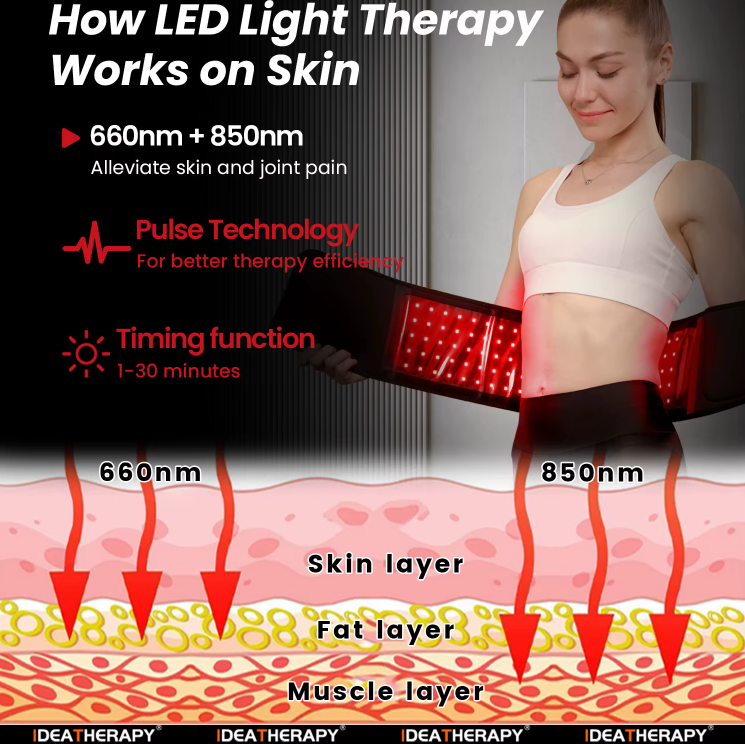
Let’s address common misconceptions about 660nm vs 850nm wavelengths. Some users believe that one wavelength is “better” than the other, but the truth is that they serve different purposes. 660nm is ideal for skin health and superficial relief, while 850nm is better for deep-tissue pain and muscle recovery. The best red light therapy belts—designed by leading Red Light Therapy Belt Manufacturing brands—combine both to offer a holistic approach to wellness. Another misconception is that red light therapy is “just a gimmick,” but numerous clinical studies have proven its effectiveness for reducing pain, improving skin health, and boosting muscle recovery. In fact, red light therapy is used in wellness clinics, physical therapy offices, and sports recovery centers worldwide, and Red Light Therapy Belt Manufacturing brands are making this professional-grade therapy accessible for home use.
As the global massage belt market continues to grow—projected to reach $2.9 billion by 2033 with a CAGR of 10.2%—Red Light Therapy Belt Manufacturing brands are focusing on innovation to stay competitive. Integrating 660nm and 850nm red light therapy into their products is a key strategy, as it addresses the growing demand for non-invasive wellness solutions. Consumers are increasingly seeking devices that offer multiple benefits in one, and red light therapy belts with dual wavelengths fit this trend perfectly. By prioritizing these wavelengths, Red Light Therapy Belt Manufacturing brands are not only meeting consumer needs but also improving their SEO visibility by targeting high-intent keywords related to red light therapy, pain relief, and skin rejuvenation.
In conclusion, understanding the benefits of 660nm and 850nm wavelengths is essential for anyone looking to invest in a red light therapy belt. Whether you’re focused on skin health, muscle recovery, or chronic pain relief, choosing a device that offers both wavelengths—from a trusted Red Light Therapy Belt Manufacturing brand—will ensure you get the most comprehensive results. 660nm light targets surface-level concerns, while 850nm light penetrates deep to address underlying issues, and together, they create a powerful wellness tool that fits seamlessly into your daily routine. If you’re ready to experience the benefits of red light therapy and elevate your wellness journey, look no further than a high-quality product from a reputable Red Light Therapy Belt Manufacturing brand—your body will thank you for it.