
Private Label Pocket Massage Gun: Build Your Brand
Learn how retailers can build a private label pocket massage gun range with OEM/ODM customization, product differentiation, quality control, and smart sourcing strategies.
How Retailers Can Build a Private Label Pocket Massage Gun Range
Introduction
The personal wellness and fitness accessories market offers retailers opportunities to develop products that combine portability, practical features, and attractive branding. Pocket massage guns are one product category worth exploring, particularly for retailers looking to expand their recovery accessories, fitness equipment, or lifestyle product ranges.
However, success in this market requires more than selecting a popular product and adding a logo. Retailers need a clear product strategy, reliable manufacturing partners, consistent quality, and a brand identity that appeals to their target customers.
For retailers interested in Building a Massage Gun Brand, private label manufacturing provides a practical way to enter the market without developing every product component from scratch. By working with an experienced manufacturer, businesses can explore different product designs, customize colors and packaging, and develop a product range that reflects their brand positioning.This guide explains how to build a private label pocket massage gun range, from selecting the right models to establishing a recognizable brand and preparing for long-term growth.
1. Define Your Target Market Before Choosing Products
The first step in building a successful private label range is understanding who your customers are and what they value.
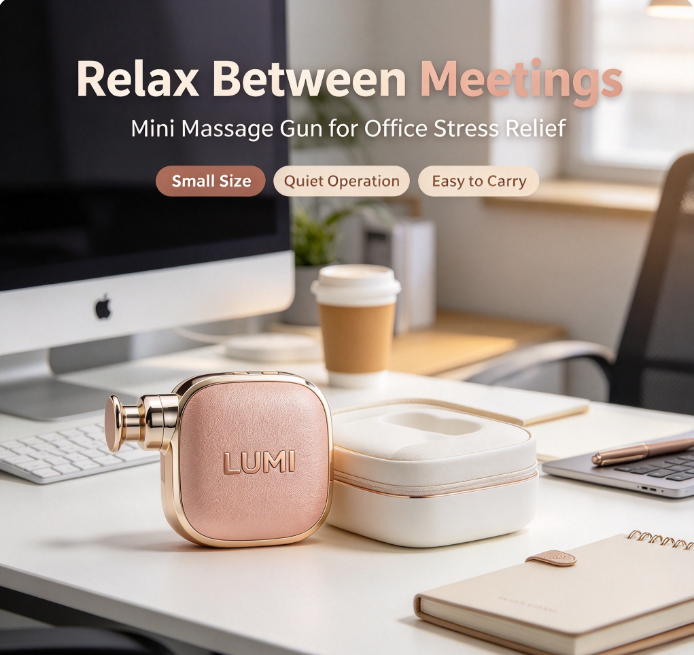
Different customer groups may prioritize different product features. Fitness enthusiasts may look for convenient recovery accessories, while frequent travelers may prefer lightweight products that fit easily into a bag. Office workers may be interested in compact devices that are easy to store and use at home.
Retailers should consider several questions before selecting their first product:
- Who is the primary customer?
- What retail price range fits the target market?
- Which product features will distinguish the range?
- Will the products be sold through Amazon, an independent website, physical stores, or multiple channels?
- What packaging and brand presentation will customers expect?
A clear target market helps retailers avoid building a product range based only on supplier availability or low purchasing prices.
For example, a brand targeting everyday portability may prioritize a compact design, convenient charging, and a simple accessory set. A premium fitness brand may focus more on materials, finish, motor performance, and carefully designed retail packaging.
2. Build a Product Range With a Clear Structure
When Building the Brand, retailers should think beyond launching a single pocket massage gun. A structured product range can create more opportunities to serve different customer needs while maintaining a consistent brand identity.
n Entry-Level Pocket Massage Gun
An entry-level model can help retailers test market demand and introduce their brand to price-conscious customers.
The product should offer reliable basic performance, a compact design, and appropriate accessories. Rather than competing solely on price, retailers can differentiate through attractive packaging, clear product information, and dependable quality.
n Premium Mini Massage Gun
A premium model can target customers who value a refined appearance, upgraded materials, or additional product features.
Depending on the manufacturer’s capabilities, retailers may explore different housing materials, custom finishes, selected motor configurations, or additional accessories. All performance claims should be supported by actual product specifications and testing.
n Customized Gift or Travel Model
A compact pocket massage gun can also be positioned as a fitness gift or travel-friendly wellness accessory.
Custom colors, branded storage cases, and coordinated packaging may help create a more distinctive presentation. Retailers should ensure that any included accessories genuinely add value for their target customers.
The goal is not to launch as many models as possible. It is to create a focused range in which each product has a clear purpose, price position, and customer profile.
3. Choose the Right Private Label Manufacturing Partner
Finding a reliable manufacturer is one of the most important decisions in private label product development.
Retailers should compare suppliers based on manufacturing capabilities, customization flexibility, product quality, communication, and production management—not just the lowest quotation.
Working directly with a suitable factory may simplify communication and provide more visibility into product specifications, sample development, and production arrangements.
When evaluating a potential supplier, ask whether it can support:
- Existing pocket massage gun models suitable for private labeling.
- OEM services based on your product specifications.
- ODM options using manufacturer-developed designs.
- Custom colors, logo placement, and retail packaging.
- Sample production and pre-production approval.
- Quality inspections and relevant compliance documentation.
- Production planning and after-sales support.
It is also important to clarify the minimum order quantity (MOQ), sample fees, customization costs, production lead time, and payment terms.
Before committing to a large order, request samples and evaluate the actual product. A professional manufacturing partner should be able to explain which features can be customized and how those changes affect cost and lead time.
4. Use OEM and ODM Customization to Differentiate Your Brand
Private label branding is most effective when customers can recognize a consistent product identity rather than seeing only another generic device.
OEM and ODM services offer different approaches to achieving this goal.
OEM customization is suitable when retailers have defined specifications, branding requirements, or a particular product concept that the manufacturer can produce.
ODM customization may be more practical when retailers want to start with an existing model and adapt selected features for their target market.
For a pocket massage gun range, possible customization options include:
Product colors: Select colors that align with the brand’s visual identity and customer preferences.
Logo placement: Apply the brand logo to suitable product surfaces or packaging, subject to design and manufacturing limitations.
Packaging design: Create coordinated retail boxes, instruction manuals, and accessory presentations that deliver a consistent brand experience.
Accessory combinations: Select massage heads and other included items according to the intended customer and product positioning.
Product specifications: Where supported by the manufacturer, evaluate options for materials, motor configurations, charging features, and other technical characteristics.
Not every manufacturer offers the same customization capabilities. Confirm the available options, sample requirements, and any tooling costs before finalizing your product plan.
5. Make Quality Control Part of Your Brand Strategy
A recognizable logo may attract a customer’s attention, but consistent product quality is essential for maintaining trust.
Before mass production, retailers should establish clear product specifications and inspection criteria with their manufacturing partner.
Important checks include housing finish, assembly quality, attachment fit, motor operation, operating noise, charging performance, battery specifications, and accessory completeness.
Retailers should also verify packaging protection and confirm that the finished products match the approved sample.
For products containing rechargeable batteries, request applicable battery safety information and test documentation. Confirm the regulatory and labeling requirements for each intended sales market rather than assuming that one certificate covers every destination.
If a supplier offers quality inspections, clarify what is inspected, when inspections occur, and how defects are handled.
A documented quality-control process can help retailers manage supplier expectations and build a more dependable product range over time.
6. Prepare Your Pocket Massage Gun Range for Amazon and Other Channels
For online retailers, product presentation and accurate product information are important parts of the customer experience.
Retailers selling a mini massage gun for Amazon sellers or developing their own Amazon product line should prepare high-quality images that clearly show the device’s dimensions, design, accessories, and packaging.
Product listings should explain practical features such as weight, charging method, included massage heads, operating modes, and battery specifications where applicable. Avoid unsupported performance statements or medical claims.
Before shipping inventory to Amazon FBA, check the current requirements for packaging, labeling, product preparation, and shipment configuration.
Retailers selling through their own websites should also create dedicated product pages with original descriptions, useful product images, and links between related models. These pages can support both customer navigation and organic search discovery.
For example, a product range page can link to individual pocket massage gun models, OEM/ODM services, and relevant sourcing guides. This creates a clearer path for visitors who are comparing products or looking for private label manufacturing solutions.
7. Develop a Long-Term Brand Growth Strategy
Building a Massage Gun Brand should be treated as an ongoing process rather than a one-time product launch.
Start by evaluating a manageable number of models and monitoring customer feedback, sales performance, return reasons, and product reviews. Use these insights to identify which features customers appreciate and where the product experience needs improvement.
Retailers can then refine their existing models, introduce new colors or accessory combinations, or expand into complementary products when there is sufficient demand.
Consistent branding across product design, packaging, photography, and customer communication can also help customers recognize the range.
For SEO, publish useful content that answers real purchasing questions, such as how to choose a pocket massage gun, what to consider when sourcing private label massage guns, and how to compare OEM and ODM manufacturing options.
Each article should offer distinct value and link naturally to relevant product or sourcing pages. Avoid repeating the same keywords excessively; clear, useful content is more valuable than keyword stuffing.
Conclusion: Build a Private Label Range That Can Grow With Your Business
Developing a private label pocket massage gun range requires a combination of market research, thoughtful product selection, reliable manufacturing, and consistent brand presentation.
For retailers, the most practical approach is to define a clear target customer, select models with distinct market positions, confirm customization options, and test samples before moving into mass production.
Working with a suitable OEM/ODM manufacturer can help simplify product development and create opportunities for differentiation through colors, logos, packaging, and selected product features.
Whether you are expanding an existing fitness accessories business or starting a new wellness brand, focus on product quality, clear positioning, and a consistent customer experience.
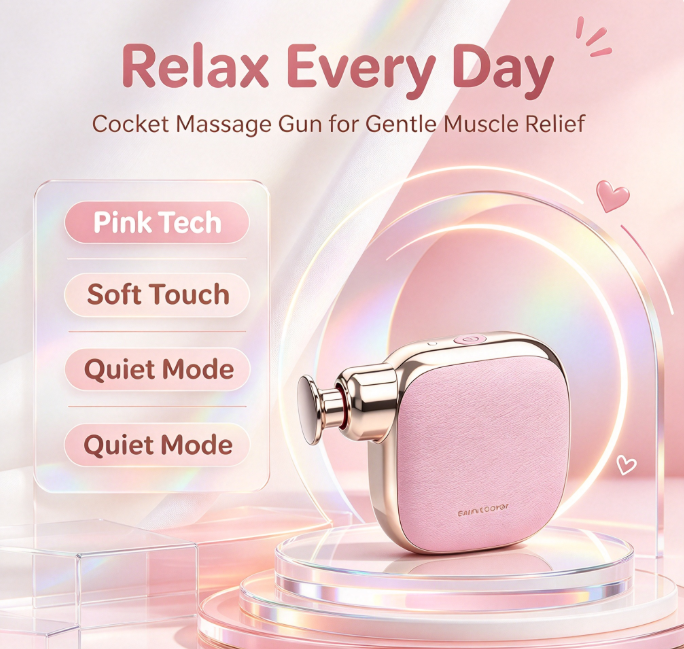
Looking for a manufacturing partner for your private label pocket massage gun range?
Contact a qualified supplier to discuss available models, OEM/ODM customization, sample evaluation, packaging options, and bulk order requirements. A well-planned product range can provide a stronger foundation for building your brand and developing long-term retail opportunities.
YOUR NEXT PROJECT
Get in Touch
Tell us how to reach you. We usually reply within 8 hours
CONTACT US
Ready to Talk?
We’re Here
to Help.
Tell us your target quantity, destination and customization ideas. Our team will help you review the product, branding and packaging options.
- Phone / WhatsApp
- +86 180 3816 1845
- Location
- No. 155, Meijing W Rd, Dongguan City, Guangdong Province